Kumar oynamanın toplum üzerindeki etkileri nelerdir Pinco
Kumarın Toplumsal Algısı
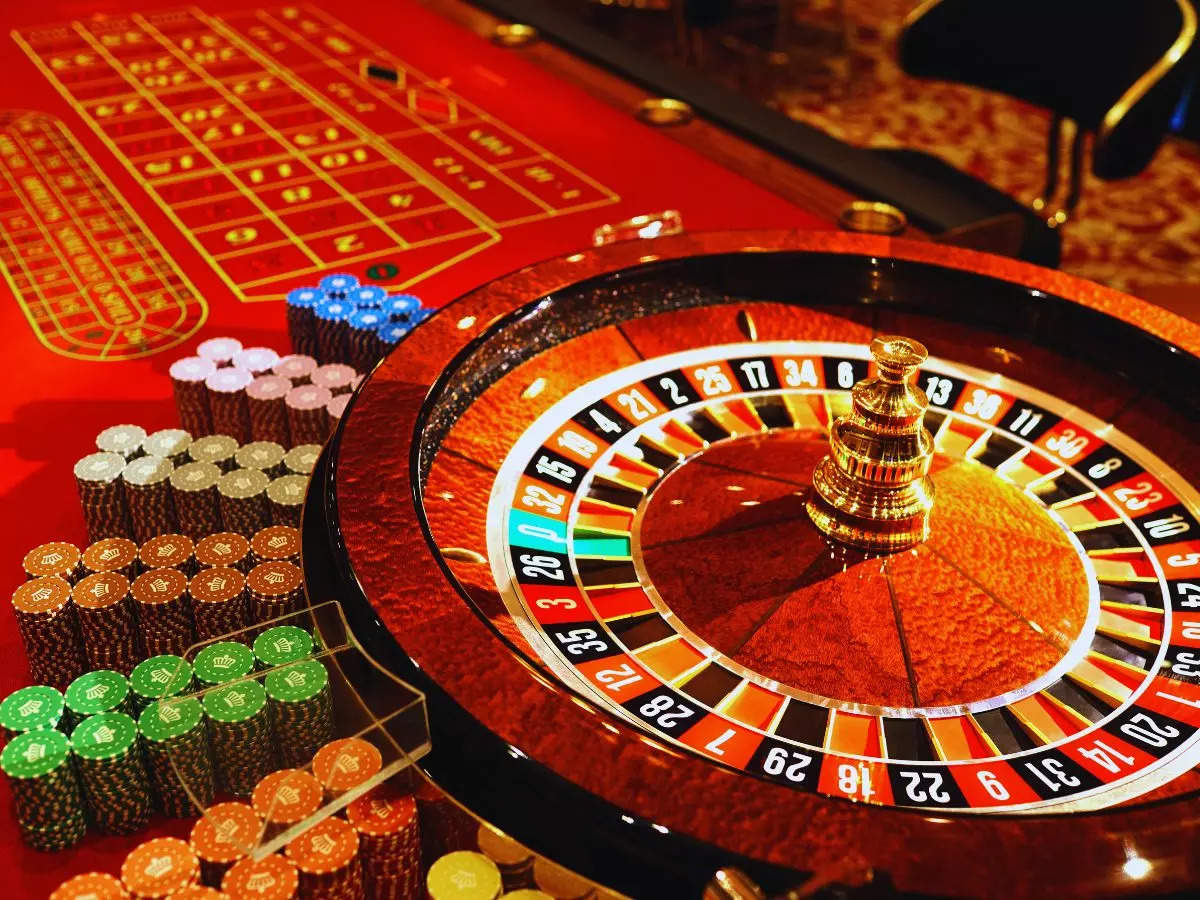
Kumar, tarih boyunca toplumların farklı kesimlerinde çeşitli algılarla karşılanmış bir faaliyet olmuştur. Bazı toplumlar kumarı eğlenceli bir aktivite olarak görürken, bazıları onu sosyal sorunların kaynağı olarak nitelendirir. Toplumların kumara bakış açısı, kültürel, dini ve hukuki normlardan etkilenmektedir. Örneğin, bazı ülkelerde kumar tamamen yasakken, diğerlerinde yasal ve denetimli bir şekilde yapılmasına izin verilmektedir.

Kumar, bireylerin sosyal ilişkileri üzerinde de önemli etkilere sahiptir. Arkadaş grupları içinde kumar oynama alışkanlığı, toplumsal bağları güçlendirebilirken, aşırıya kaçan durumlarda ise sosyal izolasyona yol açabilir. Bu durum, özellikle genç nesil arasında kumarın eğlenceli bir aktivite olarak sunulması sonucunda yaşanabilmektedir. Ancak dikkat edilmesi gereken, bağımlılık seviyesine ulaşan bireylerin, sosyal hayatlarını olumsuz etkileyebilmesidir.
Sonuç olarak, kumarın toplumsal algısı, bireylerin ve toplumların yapısına göre değişiklik göstermektedir. Kumarın eğlenceli yönlerinin yanı sıra, olumsuz etkileri ve bağımlılık riski de göz önünde bulundurulmalıdır. Bu nedenle, toplumun kumara yönelik bakış açısını geliştirmek için eğitim ve bilgilendirme çalışmaları yapılması gerekmektedir.
Kumarın Ekonomik Etkileri
Kumar, ekonominin önemli bir parçası olarak değerlendirilmektedir. Kumarhaneler, çevrimiçi platformlar ve bahis siteleri, önemli gelir kaynakları oluştururken, aynı zamanda birçok insana iş imkanı sunmaktadır. Ekonomik büyümeye katkı sağlayan kumar sektörü, devletler için önemli vergi gelirleri sağlamaktadır. Bu gelirler, sağlık hizmetleri, eğitim ve altyapı projeleri gibi toplum yararına olan yatırımlarda kullanılabilmektedir.
Öte yandan, kumar bağımlılığı ve bunun getirdiği sosyal sorunlar, ekonomik açıdan da ciddi maliyetlere yol açabilmektedir. Kumar bağımlısı bireylerin tedavi süreçleri, kaybedilen iş gücü ve sosyal yardıma ihtiyaç duyan aileler, toplumun ekonomik dengesini olumsuz etkileyebilir. Bu bağlamda, kumar sektöründeki düzenlemelerin, sosyal sorumluluk projeleri ile desteklenmesi önem taşımaktadır.
Kumarın ekonomik etkileri, toplumun genel refah düzeyine katkıda bulunma potansiyeline sahiptir. Ancak bu potansiyelin gerçekleştirilmesi, kumarın bilinçli ve kontrollü bir şekilde oynanmasına bağlıdır. Dolayısıyla, bu alanda sürdürülebilir politikaların geliştirilmesi ve uygulanması gerekmektedir.
Kumarın Psikolojik Etkileri
Kumarın psikolojik etkileri, bireylerin duygusal ve zihinsel sağlığı üzerinde önemli bir rol oynamaktadır. Kumar oynama, birçok insan için stres atma ve eğlence kaynağı olabilir. Ancak, aşırıya kaçan bir kumar alışkanlığı, anksiyete, depresyon gibi psikolojik sorunlara yol açabilir. Bağımlı hale gelen bireyler, kumar yoluyla kazanç sağlamanın yanı sıra, kaybettikleri paraların getirdiği psikolojik baskı ile başa çıkmakta zorlanmaktadır.
Bireylerin kumar oynaması, aynı zamanda risk alma davranışlarını da tetikleyebilir. Kumar oynarken elde edilen kısa süreli heyecan, bireyleri daha fazla oynamaya teşvik ederken, kaybetme korkusu da psikolojik bir baskı oluşturabilir. Bu durum, bireylerin karar verme yetisini olumsuz etkileyebilir ve zamanla kumar bağımlılığına dönüşebilir.
Bireyler için kumarın sağladığı sosyal bir çevre de vardır. Ancak bu çevre, zamanla sağlıksız bir hale gelebilir. Kumar oynamanın getirdiği riskler, bireylerin sosyal ilişkilerini de olumsuz etkileyebilir. Sonuç olarak, kumarın psikolojik etkileri, bireylerin hayatlarını derinden etkilemektedir ve bu konuda farkındalık artırılması gerekmektedir.
Kumar ve Toplumun Değişen Dinamikleri
Teknolojinin gelişmesiyle birlikte kumar oynama şekilleri de değişiklik göstermiştir. Geleneksel kumarhaneler yerini çevrimiçi platformlara bırakırken, bu durum toplumda farklı etkilere neden olmaktadır. Özellikle genç nesil, çevrimiçi kumar platformlarını tercih ederken, geleneksel kumar mekanları daha az ilgi görmeye başlamıştır. Bu değişim, toplumun kumara bakış açısını da etkileyebilir.
Ayrıca, çevrimiçi kumar platformlarının sunduğu çeşitli oyun seçenekleri ve bonuslar, bireyleri daha fazla kumar oynamaya yönlendirebilir. Bu durum, bireylerin kumar bağımlılığı riskini artırabilir ve toplumsal sağlık sorunlarına yol açabilir. Toplumların değişen dinamikleri, kumar ile ilgili yasal düzenlemelerin yeniden gözden geçirilmesini gerektirmektedir.
Kumarın toplum üzerindeki etkilerini anlamak için, bireylerin ve ailelerin bu konuda eğitilmesi önemlidir. Kumarın hem eğlenceli hem de riskli bir aktivite olduğu gerçeği, topluma doğru bir şekilde aktarılmalıdır. Eğitici programlar ve farkındalık artırıcı kampanyalar, kumarın olumsuz etkilerini azaltma noktasında önemli bir rol oynamaktadır.

Pinco ve Kumar Oynama Deneyimi
Pinco Casino, Türkiye’deki çevrimiçi kumar deneyimini geliştirmek için tasarlanmış bir platformdur. Kullanıcılara sunduğu 3.000’den fazla oyun seçeneği ile hem eğlenceli hem de çeşitli bir kumar deneyimi sunmayı hedeflemektedir. Kullanıcı dostu ara yüzü sayesinde her yaş grubuna hitap eden Pinco, Pinko kazino, modern ödeme yöntemleri ve cazip bonusları ile dikkat çekmektedir.
Pinco, güvenli ve lisanslı bir oyun ortamı sunarak, oyuncularına gönül rahatlığıyla kumar oynama imkanı tanımaktadır. Ayrıca, 7/24 müşteri desteği ile kullanıcıların yaşadığı sorunlara hızlı çözümler sunmakta ve oyuncuların memnuniyetini ön planda tutmaktadır. Bu sayede, kullanıcılar güvenli bir kumar deneyimi yaşayarak, eğlenceli vakit geçirebilmektedir.
Sonuç olarak, Pinco Casino, modern kumar anlayışını benimseyen bir platform olarak, toplum üzerindeki kumar etkilerini dikkate alarak hizmet vermektedir. Kullanıcıların hem eğlenmesini hem de güvenli bir ortamda oynamasını sağlamak için sürekli olarak kendini geliştirmeye devam etmektedir. Pinco ile kumar deneyimi, toplumda olumlu bir algı yaratmayı hedeflemektedir.